This manual provides essential guidance for boat owners, covering mechanical and electrical systems, ensuring safe operation and longevity through detailed instructions.
From engine troubleshooting to electrical wiring standards, this resource empowers owners to confidently maintain their vessels, referencing real-world scenarios.
Understanding boat extracts, winterization, and component specifics like bass boats, this manual is a comprehensive guide for all boating enthusiasts.
Understanding the Scope of the Manual
This comprehensive manual is meticulously designed for boat owners seeking to understand and maintain both the mechanical and electrical intricacies of their vessels. It transcends a simple repair guide, offering a holistic approach to boat care, encompassing preventative maintenance schedules and detailed troubleshooting procedures.
The scope extends from fundamental engine principles – gasoline and diesel – to the complexities of steering and control systems, plumbing, and navigation electronics. Practical advice on hull and deck upkeep, including anti-fouling techniques, is also included.
Furthermore, the manual addresses critical seasonal preparations, specifically winterization procedures for engines and electrical systems, ensuring protection against damage during off-season storage. Information gleaned from real-world experiences, such as boat extract procedures and component evaluations (like bass boat considerations), is integrated to provide practical, applicable knowledge.
Safety Precautions for Boat Mechanics
Prioritizing safety is paramount when undertaking any boat maintenance or repair work. Disconnect the battery’s negative terminal before commencing electrical work to prevent accidental shorts and potential fires. Always wear appropriate personal protective equipment (PPE), including safety glasses, gloves, and hearing protection.
When working with fuels and flammable liquids, ensure adequate ventilation to avoid the build-up of explosive vapors. Never smoke or use open flames near fuel tanks or lines. Be mindful of moving parts on engines and machinery; secure them before inspection or repair.
Properly dispose of used oils, filters, and other hazardous materials according to local regulations. Understand the risks associated with lifting heavy components and utilize appropriate lifting equipment. A well-organized workspace minimizes hazards and promotes safe practices.

Engine Systems ー Mechanical
This section details gasoline and diesel engine fundamentals, cooling, fuel, and lubrication systems, alongside troubleshooting common issues for optimal performance and longevity.
Gasoline Engine Fundamentals
Gasoline engines, prevalent in many boats, operate on the four-stroke cycle: intake, compression, combustion, and exhaust. Understanding this cycle is crucial for maintenance and troubleshooting. Fuel delivery relies on a precise air-fuel mixture, achieved through carburetors or fuel injection systems, demanding regular filter checks and line inspections.
Ignition systems, including spark plugs, distributors (in older engines), and ignition coils, initiate combustion. Maintaining proper timing and component condition is vital. Compression, essential for efficient operation, can be assessed using a compression tester, revealing potential issues with piston rings or valves. Regular oil changes, utilizing the correct viscosity grade, are paramount for lubricating moving parts and preventing wear, extending engine life significantly.
Monitoring engine temperature prevents overheating, while addressing any unusual noises or vibrations promptly can avert catastrophic failures.
Diesel Engine Fundamentals
Diesel engines, known for their durability and fuel efficiency, differ from gasoline engines in their ignition method. They rely on compression ignition – air is highly compressed, raising its temperature enough to ignite injected fuel. Fuel systems are critical, requiring meticulous attention to fuel filters and lines to prevent contamination, a common cause of issues.
Injection pumps deliver fuel at high pressure, and their proper functioning is essential. Glow plugs aid starting in cold conditions, and their failure can hinder engine operation. Turbochargers, often found on marine diesels, enhance power output by forcing more air into the cylinders.
Regular coolant checks and maintaining the correct coolant-to-water ratio are vital for temperature regulation. Oil analysis provides insights into engine wear and potential problems.
Cooling Systems: Operation and Maintenance
Marine cooling systems prevent engine overheating, utilizing either raw water cooling – drawing directly from the sea – or closed-loop systems with a heat exchanger. Raw water pumps require regular impeller inspection for wear, as a failing impeller drastically reduces cooling capacity. Heat exchangers transfer heat from the engine coolant to the raw water, and can become fouled with marine growth.
Thermostats regulate coolant temperature, ensuring efficient operation. Coolant levels must be maintained, using the correct type of antifreeze for freeze protection. Regular flushing removes sediment and prevents corrosion. Inspect hoses and clamps for leaks or deterioration.
Monitoring temperature gauges is crucial for early detection of cooling system problems.
Fuel Systems: Tanks, Lines, and Filters
Boat fuel systems demand meticulous care to prevent issues. Fuel tanks should be regularly inspected for corrosion, leaks, and water contamination. Water in fuel can cause engine problems and promote microbial growth. Fuel lines must be marine-grade, resistant to ethanol and cracking, and securely clamped.
Fuel filters are critical for removing debris and water. Regular filter replacement is essential, frequency depending on usage and fuel quality. Priming the fuel system after filter changes ensures proper engine starting. Venting systems prevent vacuum lock and allow fuel to flow freely.
Always use stabilized fuel for extended storage to prevent degradation.
Lubrication Systems: Oils and Maintenance Schedules
Proper lubrication is vital for engine longevity. Marine engines require specific oil types, considering operating conditions and manufacturer recommendations. Regular oil changes are paramount, removing contaminants and maintaining viscosity. Oil filters should be replaced concurrently with oil changes, ensuring clean oil circulation.
Grease fittings on steering components and driveshafts prevent corrosion and ensure smooth operation. Lower unit oil requires periodic changes, protecting gears from wear and water intrusion. Maintenance schedules vary by engine type and usage; consult your engine manual.
Monitoring oil levels and condition is crucial for early problem detection.
Engine Troubleshooting: Common Issues and Solutions
Engine problems can range from simple to complex. Common issues include overheating, starting difficulties, and rough running. Overheating often stems from a blocked cooling system or faulty impeller. Starting issues may involve a weak battery, faulty starter, or fuel delivery problems.
Rough running can indicate carburetor issues, spark plug problems, or vacuum leaks. Regular maintenance prevents many issues. Always check fuel lines for obstructions and ensure proper ventilation. Consult a qualified mechanic for complex repairs.
Remember, safety first – disconnect the battery before working on electrical components.
Electrical Systems
Marine electrical systems encompass DC and AC power, charging, wiring, and panels; proper maintenance ensures safe operation and reliable performance on the water.
DC Electrical Systems: Batteries and Wiring
Direct Current (DC) systems form the backbone of most boat electrical needs, powering lights, pumps, and essential electronics. Batteries are crucial, requiring regular inspection for corrosion and proper charge levels; different types – starting, deep-cycle, and dual-purpose – suit varying applications.
Wiring must adhere to marine standards, utilizing tinned copper wire to resist corrosion in the saltwater environment. Connections should be secure, protected with heat shrink tubing, and properly fused to prevent overloads; Regularly check for loose connections, frayed wires, and signs of deterioration. Proper grounding is vital for safety, preventing electrical shock and minimizing corrosion. Understanding voltage drop across wiring runs is essential for optimal system performance.
Maintenance includes cleaning battery terminals, checking electrolyte levels (for flooded batteries), and ensuring proper ventilation.
AC Electrical Systems: Generators and Inverters
Alternating Current (AC) systems provide power for appliances requiring standard household voltage; Generators, typically diesel or gasoline-powered, produce AC electricity, demanding regular maintenance like oil changes, filter replacements, and exhaust system checks. Inverters convert DC battery power to AC, offering a quieter alternative for running smaller loads.
Selecting the right inverter depends on the wattage requirements of the appliances. Proper ventilation is crucial for both generators and inverters to prevent overheating. Shore power connections must be secure and properly grounded. Regularly inspect AC wiring for damage and ensure all outlets are GFCI protected.
Understanding the difference between true sine wave and modified sine wave inverters is important for sensitive electronics.
Charging Systems: Alternators and Regulators
Boat charging systems rely on alternators, driven by the engine, to replenish batteries. Alternators convert mechanical energy into DC electrical energy, while voltage regulators maintain a consistent output, preventing overcharging. Regular inspection of belts, wiring, and connections is vital for optimal performance.
Battery health significantly impacts charging efficiency; ensure batteries are clean, corrosion-free, and properly secured. Monitoring voltage and amperage during charging helps identify potential issues. External regulators offer more precise control and can extend battery life.
Consider the specific charging requirements of different battery types (lead-acid, AGM, lithium) for optimal system configuration.
Marine Electrical Wiring Standards and Best Practices
Marine electrical systems demand adherence to stringent standards, primarily those set by the American Boat & Yacht Council (ABYC). Proper wire sizing is crucial, accounting for current draw and wire length to prevent overheating and voltage drop. Tinned copper wire is essential, resisting corrosion in the marine environment.
Connections must be watertight, utilizing heat-shrink tubing and marine-grade connectors. Circuit protection, via fuses or circuit breakers, safeguards against overloads and short circuits. Grounding systems are vital for safety, minimizing electrical shock hazards.
Regular inspection for corrosion, loose connections, and damaged insulation is paramount for system reliability.
Electrical Panel and Circuit Breaker Maintenance
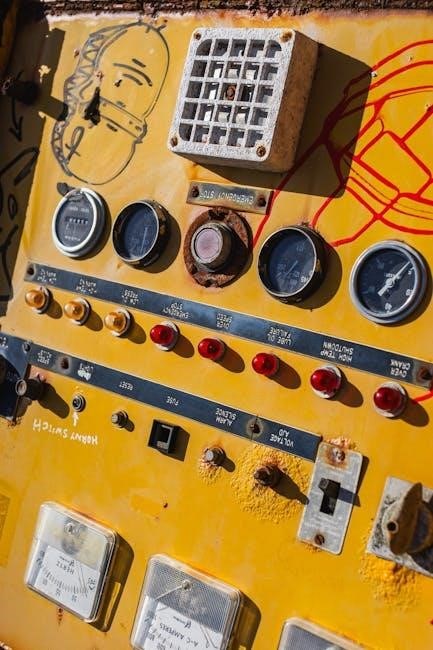
Regular inspection of your boat’s electrical panel is critical for safety and functionality. Check for corrosion on bus bars and terminals, cleaning as needed with a marine-grade electrical contact cleaner. Ensure all circuit breakers are properly seated and functioning – test them periodically by switching circuits on and off.
Look for loose wiring or damaged insulation, addressing any issues immediately. Label all circuits clearly for easy identification during troubleshooting. Keep the panel dry and protected from moisture, as water intrusion can cause corrosion and short circuits.
Replace any faulty breakers with the correct amperage rating.
Troubleshooting Electrical Problems
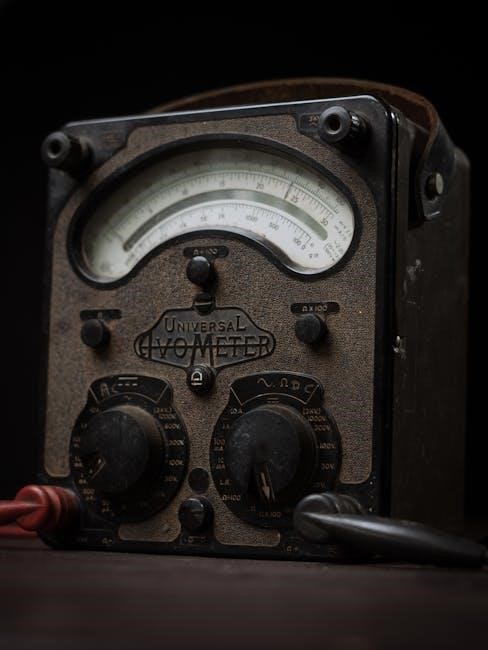
Electrical issues on boats can range from simple to complex. Start with the basics: check batteries, connections, and fuses. Use a multimeter to test voltage and continuity, identifying breaks in the circuit. Isolate the problem by systematically testing components, one at a time.
Corrosion is a common culprit, so inspect wiring and connections thoroughly. Refer to wiring diagrams to understand the system’s layout. If unsure, consult a qualified marine electrician – electrical work can be dangerous.
Remember offline raid extracts rely on functioning systems; a faulty circuit could prevent operation.
Steering and Control Systems
This section details mechanical and hydraulic steering, alongside emergency procedures, ensuring responsive control and safe navigation for all boat owners.
Proper maintenance is vital for reliable operation, preventing issues during critical maneuvers and enhancing overall boating experience.
Mechanical Steering Systems
Mechanical steering systems rely on a direct physical connection between the helm and the rudder, utilizing cables, quadrants, and linkages to transmit steering input. Regular inspection of these components is crucial, focusing on cable condition for fraying or corrosion, and ensuring smooth operation without excessive play.
Lubrication of all moving parts minimizes friction and wear, extending the system’s lifespan. Cable tension must be properly adjusted to provide responsive steering without binding. Checking the rudder stock for any signs of looseness or damage is also essential.
Properly functioning mechanical systems offer a reliable and straightforward steering solution, but require consistent maintenance to prevent failures. Addressing any issues promptly ensures safe and predictable boat handling, especially in challenging conditions. Remember, a well-maintained system is a safe system.
Hydraulic Steering Systems
Hydraulic steering systems utilize fluid pressure to transmit steering input from the helm to the rudder, offering smoother and more responsive control, particularly on larger vessels. Regular fluid level checks are paramount, ensuring the reservoir is filled with the manufacturer’s recommended hydraulic fluid.
Inspect hoses and fittings for leaks, cracks, or corrosion, replacing any damaged components immediately. Bleeding the system removes air bubbles, maintaining optimal performance and responsiveness. Check the hydraulic cylinder for signs of leakage or damage to the seals.
Proper maintenance prevents corrosion and ensures consistent steering. Ignoring these systems can lead to loss of control. Always prioritize safety and address any issues promptly to maintain reliable boat handling and prevent potentially dangerous situations on the water.
Emergency Steering Procedures
In the event of steering system failure, knowing emergency procedures is crucial for maintaining control and ensuring safety. Assess the situation immediately and determine the nature of the failure – mechanical or hydraulic. Activate the emergency tiller, if equipped, which provides a direct mechanical link to the rudder.
If an emergency tiller isn’t available, consider using the engine to steer, carefully applying power to one engine (on twin-engine boats) to create a turning force. Deploy a sea anchor to slow the boat and maintain heading in severe conditions.
Communicate your situation via VHF radio, broadcasting a Mayday call if necessary. Practice these procedures regularly to ensure familiarity and preparedness. Prioritize safety and maintain calm during an emergency.

Hull and Deck Maintenance
Regular cleaning and anti-fouling protect the hull, while deck hardware inspection prevents issues. Seacock maintenance is vital for watertight integrity and overall vessel safety.
Hull Cleaning and Anti-fouling
Maintaining a clean hull is paramount for optimal boat performance and fuel efficiency. Regular washing removes marine growth, preventing drag and corrosion. Utilize appropriate boat soaps designed for the hull material, avoiding abrasive cleaners that can damage the gel coat or paint.
Anti-fouling paint is crucial in preventing the attachment of barnacles, algae, and other organisms. Select a paint formulated for your boating location and usage frequency. Proper application, including surface preparation and multiple coats, ensures maximum effectiveness.
Inspect the hull regularly for any signs of blistering, cracking, or damage. Address these issues promptly to prevent further deterioration. Consider professional hull cleaning and anti-fouling services for thorough and long-lasting results, especially for larger vessels or challenging marine environments.
Deck Hardware Inspection and Repair
Regularly inspect all deck hardware – cleats, stanchions, railings, winches, and hatches – for signs of corrosion, wear, or damage. Pay close attention to stainless steel components, as they can suffer from crevice corrosion. Check for loose bolts, cracked fittings, and frayed lines.
Tighten any loose hardware and replace corroded or damaged parts promptly. Use marine-grade stainless steel replacements to ensure longevity and prevent further corrosion. Lubricate moving parts, such as winches, with appropriate marine lubricants.
Inspect deck surfaces for soft spots or delamination, indicating potential structural issues. Address any damage immediately to maintain the integrity of the deck. Proper maintenance extends the life of your deck hardware and ensures safe operation.
Through-Hull Fittings and Seacocks
Through-hull fittings and seacocks are critical components, providing access for underwater systems. Inspect these regularly for corrosion, leaks, and proper operation. Ensure seacocks open and close smoothly and completely; a seized seacock can be catastrophic in an emergency.
Exercise seacocks frequently – at least monthly – to prevent them from seizing due to inactivity. Replace any corroded or damaged fittings immediately with marine-grade bronze or appropriate materials. Ensure proper bonding and grounding to prevent galvanic corrosion.
Always close seacocks before disconnecting any hoses or fittings to prevent uncontrolled water ingress. Regular inspection and maintenance of these systems are paramount for boat safety.
Plumbing Systems
Boat plumbing encompasses freshwater, wastewater, and bilge systems, demanding regular inspection of tanks, pumps, and lines for leaks and proper functionality.
Maintaining these systems ensures potable water, effective waste management, and a dry bilge, crucial for vessel safety and comfort.
Freshwater Systems: Tanks and Pumps
Freshwater systems on boats rely on tanks for storage and pumps to deliver water throughout the vessel. These tanks, often constructed of polyethylene or stainless steel, require periodic cleaning to prevent algae and bacterial growth, ensuring potable water quality. Inspect tanks for leaks and ensure proper venting to prevent pressure buildup.
Pumps, typically electric, are responsible for pressurizing the system. Common types include diaphragm and rotary vane pumps. Regular maintenance involves checking pump strainers for debris, inspecting hoses for cracks, and verifying proper operation of pressure switches. Understanding the pump’s capacity is vital for efficient water usage.
Consider the location of tanks and pumps for ease of access during maintenance. Proper winterization is crucial in colder climates to prevent freezing and damage to the system’s components.
Waste Water Systems: Holding Tanks and Pumps
Waste water systems, crucial for responsible boating, center around holding tanks that collect sewage and greywater. These tanks require regular emptying at designated pump-out stations to prevent environmental contamination. Tank capacity should align with the number of occupants and anticipated usage.
Pumps are essential for transferring waste from heads (marine toilets) to the holding tank and then to shore-side facilities. Macerator pumps grind waste for easier transfer, while centrifugal pumps handle liquids efficiently. Inspect hoses for leaks and ensure proper venting to prevent odors.
Regular flushing with a marine-specific holding tank treatment helps control odors and break down waste. Adhering to local regulations regarding waste discharge is paramount for responsible boat ownership.
Bilge Pumps: Operation and Maintenance
Bilge pumps are vital safety components, automatically removing accumulated water from the hull’s lowest point. Both manual and electric pumps are common; electric pumps often include float switches for automatic activation. Regular testing is crucial – ensure the pump operates correctly before each outing.
Maintenance involves checking the pump’s intake strainer for debris, preventing blockages. Inspect hoses for cracks or leaks, and verify the discharge hose exits the hull below the waterline. Consider a backup manual pump in case of electrical failure.
Excessive water in the bilge indicates a potential leak; investigate and address the source promptly. Proper bilge pump operation contributes significantly to vessel safety and prevents potential sinking.
Navigation and Electronics
This section details GPS, chartplotters, VHF radios, and depth sounders – essential for safe navigation. Proper operation and maintenance ensure reliable performance at sea.
Understanding these systems, including echo sounders, enhances situational awareness and facilitates effective communication while boating.
GPS and Chartplotter Systems
GPS (Global Positioning System) and chartplotter systems are fundamental for modern marine navigation, providing precise location data and electronic charting capabilities. These systems rely on satellite signals to determine a vessel’s position, displaying it on a digital map. Chartplotters integrate GPS data with electronic navigational charts (ENCs), offering real-time positioning, route planning, and hazard awareness.
Regularly update chartplotter software and chart data to ensure accuracy and access to the latest navigational information. Understanding system settings, including datum and map projections, is crucial for correct positioning. Proper antenna placement is vital for optimal signal reception. Familiarize yourself with features like AIS (Automatic Identification System) integration, which displays the position and identity of nearby vessels, enhancing collision avoidance. Troubleshooting common issues, such as signal loss or display malfunctions, is also essential for boat owners.
VHF Radio Operation and Maintenance
VHF (Very High Frequency) radios are critical for maritime communication, serving as the primary means of contacting other vessels, shore stations, and emergency services. Understanding proper operating procedures, including selecting the correct channel and using standardized phraseology (like “Mayday” for distress calls), is paramount for safety. Regular radio checks with another vessel or shore station ensure functionality.
Maintenance involves inspecting the antenna and cable for damage, ensuring a secure connection, and keeping the radio dry. Familiarize yourself with Digital Selective Calling (DSC) features for automated distress alerting. Battery power is crucial; ensure adequate charge or have a backup power source. Routine testing of the radio’s transmit and receive capabilities is vital, alongside understanding local regulations regarding VHF radio use.
Depth Sounders and Fish Finders
Depth sounders are essential for safe navigation, displaying the water’s depth beneath the boat, preventing grounding. Fish finders, building on this technology, utilize sonar to locate fish and underwater structures, enhancing angling success. Modern units often combine both functions, offering detailed bottom mapping and fish identification.
Maintenance includes checking the transducer for marine growth and damage, ensuring a secure connection to the unit, and verifying accurate readings. Understanding the different sonar frequencies and cone angles is crucial for interpreting the data. Consider upgrading to units with advanced features like CHIRP technology for improved resolution. Proper calibration and regular software updates optimize performance.
Winterization and Storage
Proper winterization protects your boat from freezing damage, involving engine draining, fuel stabilization, and electrical system preparation for prolonged inactivity.
Hull and deck preparation includes cleaning, covering, and securing against weather, ensuring a smooth spring launch after storage.
Engine Winterization Procedures
Thorough engine winterization is crucial to prevent costly damage from freezing temperatures. Begin by completely draining all water from the engine block, manifolds, and cooling system. Utilize antifreeze specifically designed for marine engines, circulating it through the system to displace any remaining water.
Change the engine oil and filter, as used oil contains acids that can corrode internal components during storage. Stabilize the fuel with a fuel stabilizer additive to prevent degradation and varnish buildup in the fuel system. Fog the engine cylinders by spraying fogging oil into the carburetor or fuel injectors while running the engine briefly – this coats the internal parts with protective oil.
Disconnect the battery to prevent parasitic drain and potential corrosion. Inspect and replace spark plugs if necessary. Finally, ensure all drain plugs are removed and stored in a safe place for spring commissioning.
Electrical System Winterization
Protecting your boat’s electrical system during winter is vital. Begin by disconnecting the main battery switch and removing the batteries for indoor storage in a cool, dry place. Clean battery terminals to prevent corrosion and fully charge the batteries periodically throughout the winter months.
Inspect all wiring for damage or corrosion, repairing or replacing as needed. Ensure all electrical connections are clean and tight. Remove or cover sensitive electronic equipment to shield it from moisture and temperature fluctuations.
Consider using dielectric grease on connections to prevent corrosion. For boats with generators or inverters, follow the manufacturer’s specific winterization instructions. Properly winterizing the electrical system ensures a smooth start-up in the spring.
Hull and Deck Preparation for Storage
Preparing your boat’s hull and deck for winter storage is crucial for preventing damage. Thoroughly clean the hull, removing all marine growth and debris. Apply a fresh coat of anti-fouling paint if needed, ensuring proper protection against marine organisms.
Inspect the deck for any cracks or damage, making necessary repairs. Cover the deck with a breathable boat cover to protect it from the elements. Ensure proper ventilation to prevent mildew and moisture buildup inside the boat.
Remove all loose items from the deck and cockpit. Secure any remaining equipment to prevent shifting during storage. Properly supporting the boat is essential, utilizing stands or a trailer to distribute weight evenly.